Executive Summary: Buying Real Estate in Spain
Mandatory fiscal number for any property transaction or notary deed signing.
10% Transfer Tax on resales (Valencian Community) or 10% VAT on new builds + Stamp Duty.
Overall sum of taxes, official notary, property registry, and conveyancing legal fees.
From initial deposit reservation and Due Diligence to signing public notary deeds.
Initial Requirements: NIE Number & Spanish Bank Account
Any individual or legal entity wishing to purchase real estate in Spain must have two fundamental elements in place:
- NIE (Número de Identificación de Extranjero): Your personal fiscal tax identification number issued by the Spanish National Police. You can apply in person at a police station in Spain or via Spanish Consular offices abroad. Hurbantis can handle your NIE application entirely through Power of Attorney (PoA) without requiring you to travel.
- Spanish Bank Account: Required to issue certified banker's drafts (cheques) at the notary, settle regional taxes, and set up direct debits for utility services (electricity, water, local council IBI, and community charges).
Property Search & Full Technical / Legal Due Diligence
Before transferring any funds, conducting a comprehensive audit (Due Diligence) of the property is essential. In the Spanish property market, this examination includes:
Issued by the Land Registry (Registro de la Propiedad). Certifies the registered owner, property boundaries, and confirms there are no unpaid mortgages, liens, or legal encumbrances.
Verifies physical land boundaries, surface area, and cadastral reference, ensuring registry and cadastral records match reality.
Certifies that the construction complies with local planning regulations and is legally certified for residential habitation.
Official statements from the homeowners association (Comunidad) and town hall proving all IBI property taxes and community fees are up to date.
At Hurbantis, our legal and technical team executes this thorough Due Diligence as an automatic standard for all portfolio assets to guarantee total peace of mind.
Reservation Agreement & Arras Contract
Once initial Due Diligence is verified and terms are agreed, the purchase proceeds through two private contract phases:
- Reservation Agreement: Temporarily removes the property from the market for a brief period (usually 7 to 14 days) via an initial deposit (typically €3,000 to €10,000).
- Penitential Arras Contract (Civil Code Art. 1454): The formal binding pre-contract setting the final price, notary completion date, and property inclusions. The buyer pays a 10% deposit of the purchase price (minus the reservation amount).
Comprehensive Breakdown of Taxes & Closing Costs
When buying property in Spain, buyers should allocate approximately 11% to 13.5% on top of the purchase price to cover mandatory statutory taxes and fees:
| Cost Item | New Build | Resale (Second-Hand) | Costa Blanca (Valencian Region) |
|---|---|---|---|
| Primary Property Tax | VAT / IVA (10%) | Transfer Tax / ITP (6% - 10%) | 10% (ITP on resales or VAT on new builds) |
| Stamp Duty (AJD) | 0.5% - 1.5% | Exempt (0%) | 1.5% (new builds only) |
| Official Public Notary | ~€800 - €1,800 | ~€800 - €1,800 | Regulated national statutory scale |
| Land Registry Fees | ~€400 - €1,000 | ~€400 - €1,000 | Regulated national statutory scale |
| Legal Conveyancing Representation | ~1% of purchase price | ~1% of purchase price | 1% (Full Due Diligence & notary representation) |
Want exact tax figures for your intended property?
Use our interactive tax calculator updated with 2026 regional tax scales.
Signing the Notary Deed (Escritura) & Key Handover
The definitive transfer of ownership takes place before an impartial public Notary (Notario) in Spain:
- The notary verifies parties' identities, reviews ownership title, and confirms immediate encumbrance status directly with the Land Registry at the instant of execution.
- The buyer tenders the remaining balance (the remaining 90%) using a Spanish guaranteed bank draft or Bank of Spain urgent transfer (OMF).
- Keys and full material possession are officially transferred in that very session.
Non-resident investors can grant Power of Attorney (PoA) to our legal counsel to represent them at the notary and accept the keys without having to fly to Spain.
Post-Completion Registration & Utility Setup
Following notary completion, the final administrative formalities are resolved:
- Tax Settlement: Filing and paying the ITP or IVA/AJD taxes with the tax agency within 30 business days.
- Land Registry Recording: Inscribing the title deed into the official Registro de la Propiedad to secure absolute protection against third-party claims.
- Cadastral Updates & Council Tax: Updating the property tax roll (IBI) with the local municipal council.
- Utility Contract Transfers: Transferring or initiating electricity, water, gas contracts, and community fee direct debits.
Residency, Visas & Investor Opportunities
Acquiring Spanish real estate offers excellent lifestyle and residency pathways for non-EU investors:
Allows remote professionals working for international companies to reside in Spain, with reduced Beckham Law tax benefits and visa-free travel across all 29 Schengen member states.
Ideal for retirees, lifestyle investors, and individuals with independent funds wishing to live comfortably in Spain without local employment.
Featured Real Estate Opportunities in Costa Blanca
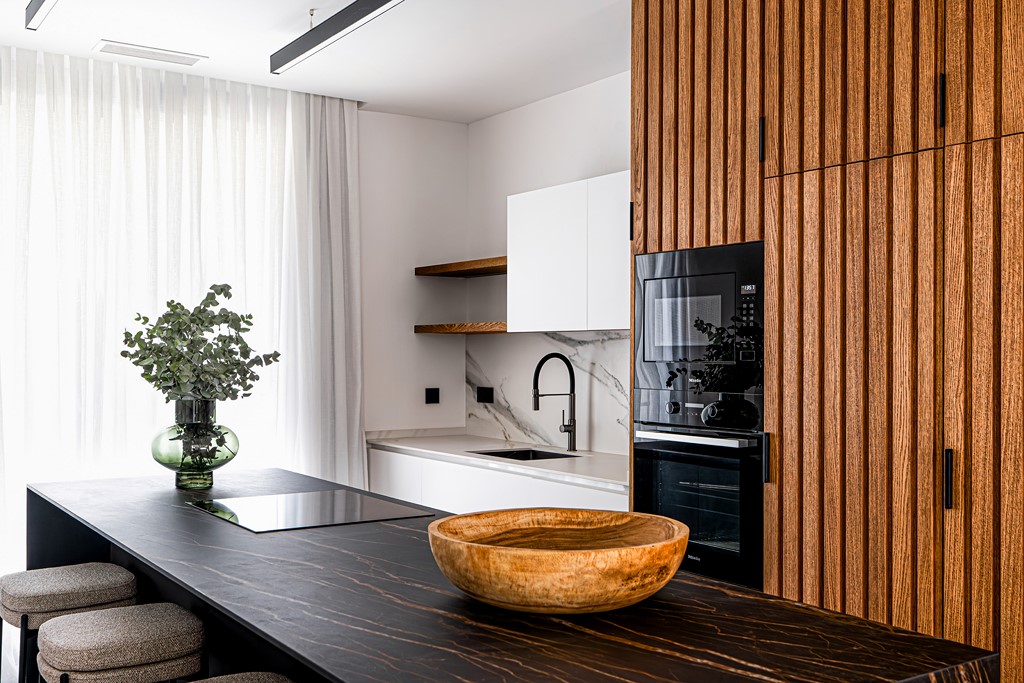
Noa Garden Villas — Benidorm
9 exclusive villas with private pools in prime Urbanización Coblanca.

Parque Norte II — Alicante
Modern 2 & 3-bedroom residences with private terraces, garage & storage.

Torre Murtal — Benidorm
Luxury residential high-rise with panoramic Mediterranean sea views on Poniente Beach.
Frequently Asked Questions on Buying Property in Spain
Can non-resident foreigners buy real estate in Spain?
Yes. Foreigners enjoy identical legal rights to acquire and own property in Spain as Spanish citizens. There are no restrictions on foreign ownership; you simply need to obtain a Spanish Foreigner Tax Identification Number (NIE) and open a Spanish bank account.
What taxes and closing costs are paid when buying a property in Spain?
For resale property, you pay the Property Transfer Tax (ITP), which is 10% in the Valencian Community (Alicante / Costa Blanca). For new construction properties, you pay 10% VAT (IVA) plus 1.5% Stamp Duty (AJD). Notary, land registry, and legal fees add approximately 2% to 3%.
What is an Arras contract and how much deposit is standard?
The Arras contract is a legally binding private deposit agreement securing the transaction. Buyers typically deposit 10% of the agreed price. Under penitential arras (Civil Code Art. 1454), if the buyer pulls out without cause, the deposit is forfeited; if the seller withdraws, they must repay double the deposit.
Can international buyers secure a mortgage from Spanish banks?
Yes, leading Spanish commercial banks regularly provide mortgages to non-resident foreign buyers, typically financing between 60% and 70% of the property appraisal value with loan terms up to 20 or 25 years.
How does Hurbantis facilitate remote property purchases?
Hurbantis provides turnkey support: complete urbanistic and title Due Diligence, obtaining NIE via consular power of attorney, bank account setup, live 4K video viewings, and full notary deed representation so you can buy safely without leaving your home country.
Planning to Purchase or Invest in Spain?
Get in touch with our specialized team in residential developments and land assets. We advise you at every step with technical and legal excellence.
Speak with a Hurbantis Advisor